
Visualising Deer Distribution Across the Landscape
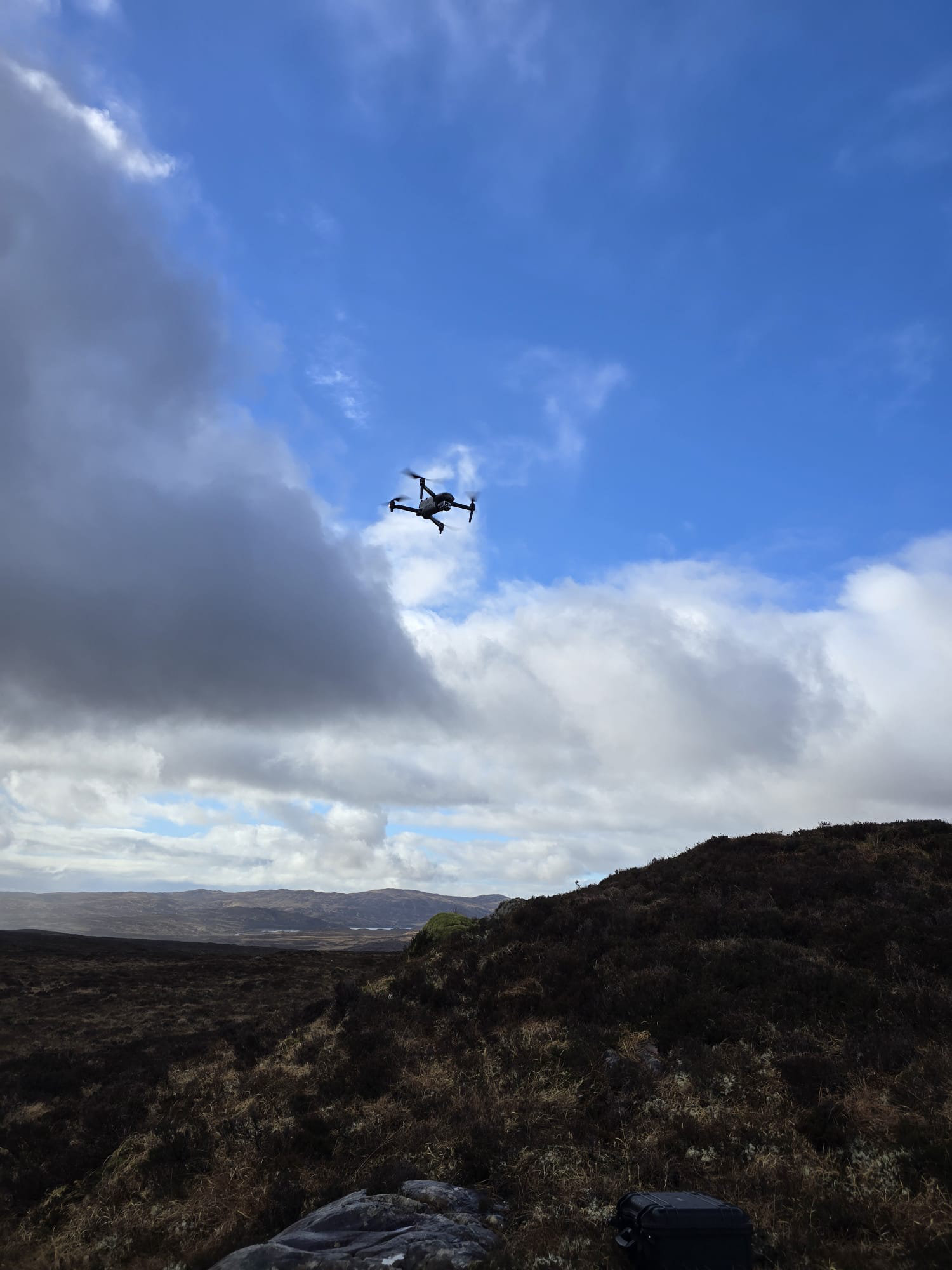
Understanding where deer are concentrated is as important as understanding how many are present. Population mapping provides a spatial overview of distribution across woodland compartments, agricultural boundaries and sensitive habitats.
Dixon Deer Management uses structured survey data to identify patterns of movement and concentration across defined areas.
Compartment-Level Insight
Population mapping highlights variations in density between compartments, helping estates identify areas under disproportionate browsing pressure or regeneration suppression.
This targeted insight enables management intervention to be focused precisely where it is required.
Supporting Strategic Planning
Mapping data informs the development of structured deer management plans. By understanding distribution patterns, reduction strategies can be aligned with regeneration priorities and habitat objectives.
This approach avoids blanket intervention and supports proportionate, defensible decision-making.
Monitoring Movement Over Time
Population distribution is not static. Ongoing mapping allows estates to monitor shifts in movement patterns and density concentrations across seasons and management phases.
Tracking change over time strengthens long-term planning and adaptive management.
Strengthening Accountability
Documented population mapping provides clear visual evidence to support reporting, internal oversight and compliance frameworks.
Spatial analysis transforms deer management from reactive activity into measurable land stewardship strategy.