Evaluating Woodland Pressure Through Structured Assessment
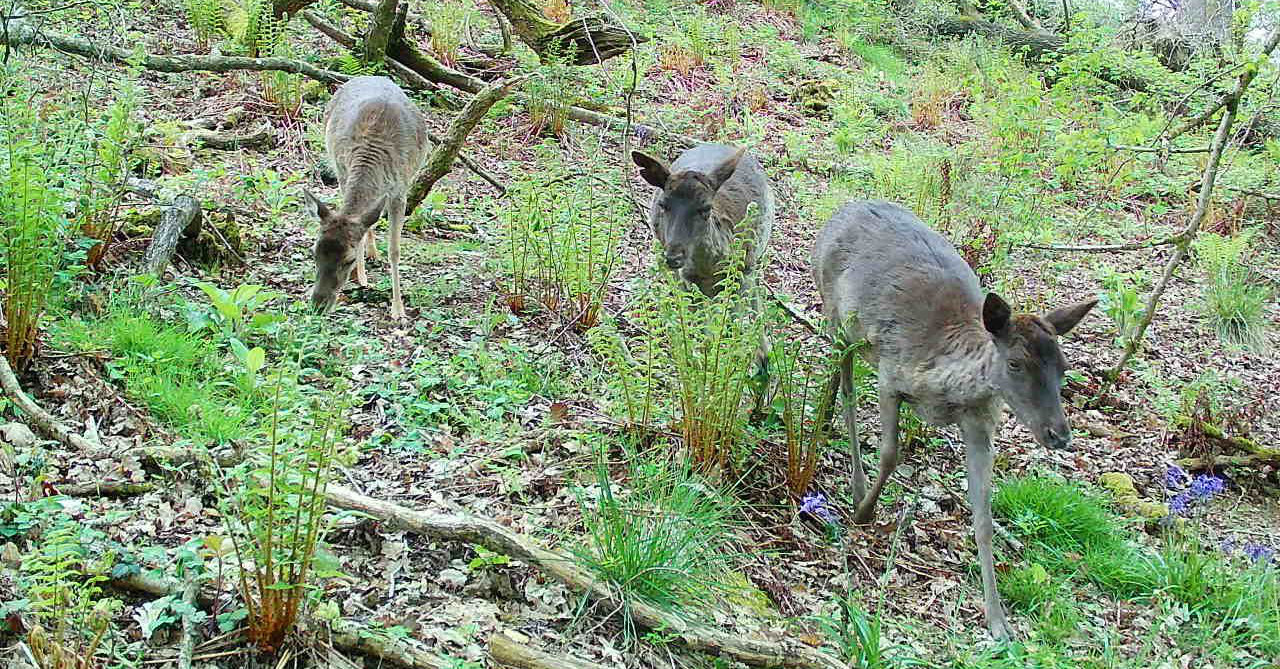
Understanding the true impact of deer populations is essential before effective management decisions can be made. Visible browsing damage often represents only part of the wider pressure affecting woodland regeneration, planting schemes and long-term habitat objectives.
Dixon Deer Management provides structured deer impact assessments designed to evaluate both population density and the measurable effect on woodland health.
Beyond Population Numbers
While population estimates are important, deer impact assessment focuses on how deer activity is affecting regeneration, recruitment and overall woodland resilience.
This includes evaluation of:
- Browsing pressure on natural regeneration
- Damage to young planting schemes
- Bark stripping and structural harm
- Uneven recruitment across compartments
- Long-term habitat balance
Assessing impact rather than relying on assumption ensures that management interventions are proportionate and justified.
Evidence-Based Recommendations
Following assessment, we provide clear recommendations aligned to woodland objectives and estate priorities. Where required, this may include targeted population reduction strategies supported by structured management planning.
Our approach ensures that any intervention is supported by evidence, reducing risk and strengthening long-term outcomes.
Supporting Regeneration & Compliance
Impact assessments provide estates and forestry managers with documented insight that can support internal reporting, grant alignment and broader land management strategy.
Where woodland regeneration is a priority, deer impact assessment forms the foundation of an accountable, defensible management programme.