Delivering Accountable, Long-Term Deer Management Strategy
Effective deer control is not achieved through isolated intervention. Sustainable outcomes require a clearly defined management framework aligned to estate objectives, woodland regeneration priorities and compliance requirements.
Dixon Deer Management develops structured deer management plans tailored to the specific characteristics of each landholding.
Assessment Before Intervention
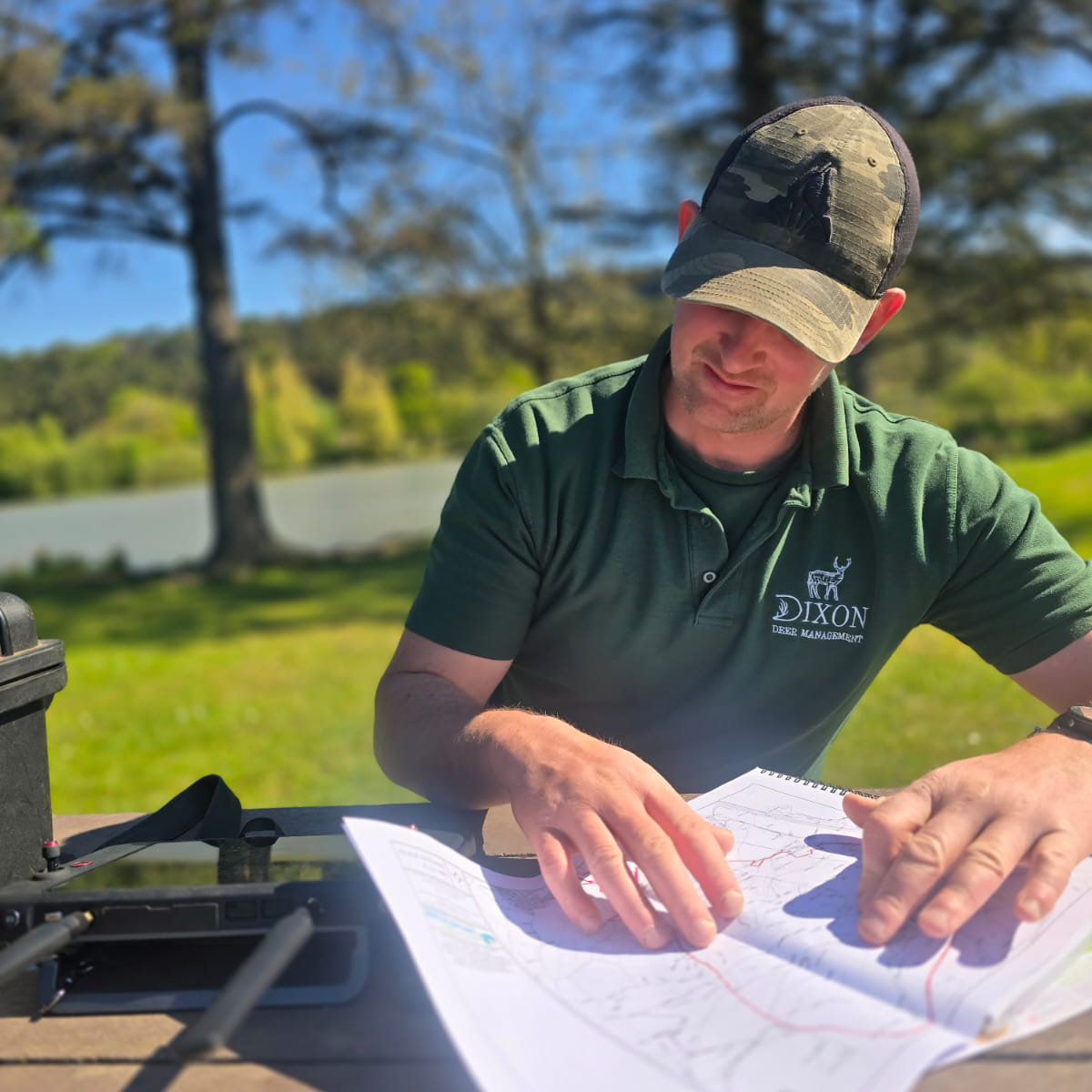
Every structured management plan begins with accurate population insight and impact evaluation. Survey data, density analysis and spatial mapping provide the foundation for proportionate decision-making.
This ensures that any subsequent intervention is justified, measurable and strategically aligned.
Defined Objectives & Targets
Management plans establish clear population targets based on habitat capacity, regeneration goals and estate priorities. Reduction strategies are developed to support woodland resilience, biodiversity balance and commercial land use.
Clear objectives transform deer control from reactive activity into accountable land management.
Planned & Proportionate Delivery
Operational activity is structured within an agreed framework, ensuring that intervention is carried out responsibly, compliantly and in line with defined targets.
This approach protects estate reputation while delivering measurable outcomes.
Documentation & Ongoing Review
All activity forms part of a documented programme. Cull data, monitoring results and density assessments are recorded to support internal oversight and compliance frameworks where required.
Structured plans are reviewed periodically to ensure that management remains aligned with changing woodland conditions and long-term objectives.
Supporting Sustainable Land Stewardship
Structured deer management planning ensures that estates can demonstrate responsible population control, defensible intervention and long-term environmental stewardship.
By embedding strategy into every phase of delivery, deer management becomes an accountable component of modern estate management.